Pooper Scooper Health Guide: Protect Your Family and Yard in 2026
A reliable pooper scooper is not just a convenience tool — in 2026 it is a frontline defense for your family’s health. Fresh dog waste can carry parasites and bacteria that survive in soil for months, and children who play in the yard are the most exposed. Scooping promptly, bagging correctly, and disposing of waste the right way breaks the chain of infection before it starts.
This guide takes a health-and-hygiene view of dog waste. You will learn which parasites live in poop, how they reach kids and pets, why unscooped waste pollutes local water, and how the right gear makes cleanup fast enough that you actually keep up with it.
Why Prompt Dog Waste Pickup Matters More Than People Think
Most owners think of poop as a smell problem or a lawn eyesore. The bigger issue is invisible. A single gram of dog feces can contain millions of bacteria, plus the eggs of intestinal worms that stay infectious long after the pile looks dry and harmless.
Time is the key variable. The longer waste sits, the more chances rain, shoes, paws, and lawnmowers have to spread those pathogens across your yard and into your home.
The 24-hour rule
Aim to remove waste within 24 hours, and ideally the same day. Roundworm eggs, for example, need time in the environment to become infectious — so daily pickup removes them before they ever reach that stage. A same-day habit is the single most effective hygiene step a dog owner can take.
What Parasites Live in Dog Waste?
Several parasites of real concern to human health travel through dog feces. The U.S. Centers for Disease Control tracks these as zoonotic threats — diseases that jump from animals to people.
- Roundworm (Toxocara canis): Eggs can cause toxocariasis in humans, sometimes affecting the eyes and organs, especially in young children.
- Hookworm (Ancylostoma): Larvae penetrate bare skin and cause cutaneous larva migrans — itchy, winding tracks under the skin.
- Giardia: A protozoan that triggers diarrhea and cramping; it spreads easily in wet soil and standing water.
- Whipworm and tapeworm: Less common in people but a persistent reinfection source for your own dog.
For a plain-language overview of these risks, the CDC’s Healthy Pets, Healthy People resource is a trustworthy starting point.
Why children face the highest risk
Kids play close to the ground, put their hands in their mouths, and rarely wash up before snack time. That behavior turns a contaminated lawn into a direct exposure route. Sandboxes and garden beds are especially risky because eggs cling to loose soil.
How a Good Pooper Scooper Keeps Your Yard Safe
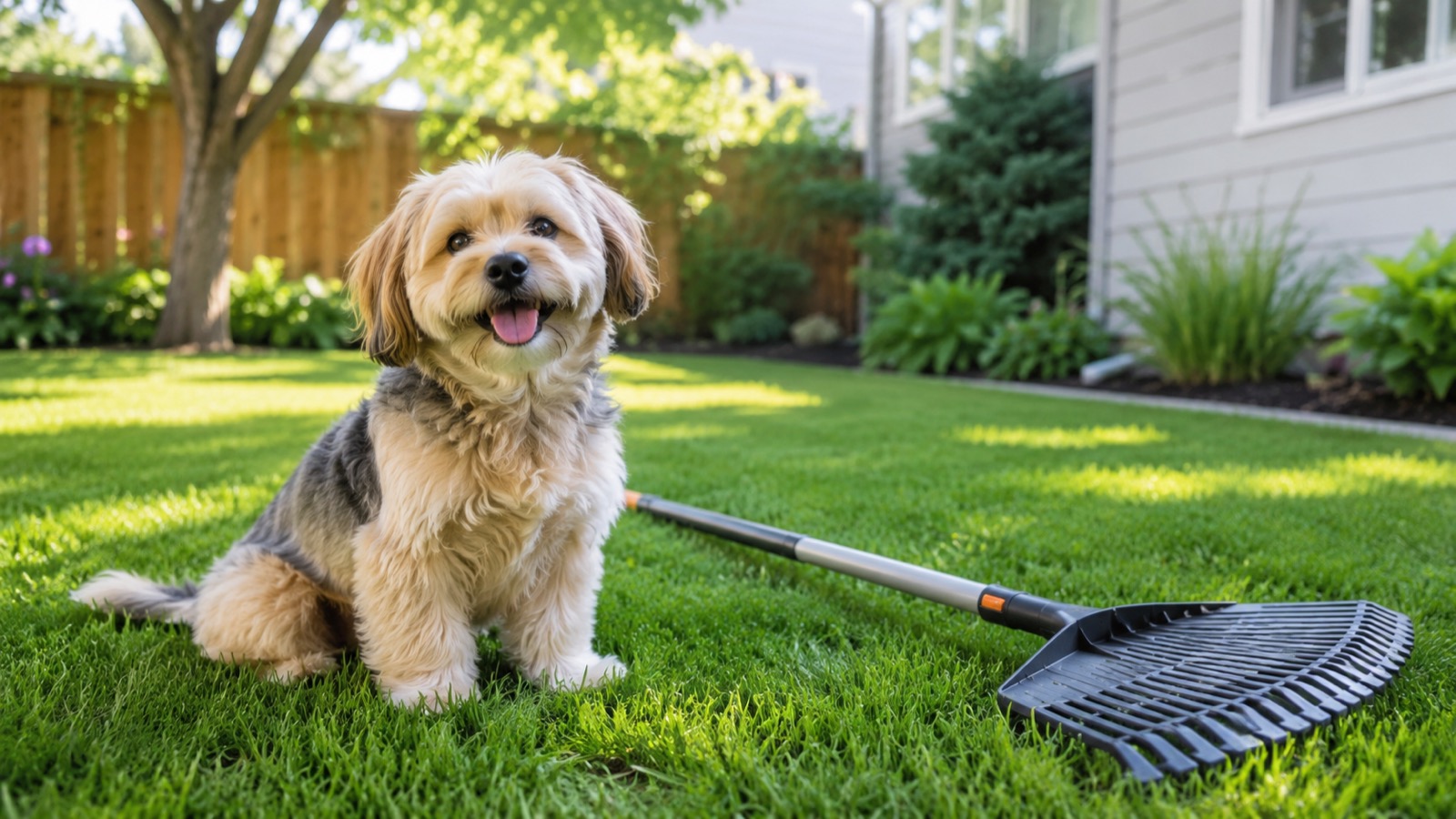
The right pooper scooper does more than save your back. It lets you lift waste cleanly without touching soil, grass, or the mess itself, which keeps eggs and bacteria from smearing across the lawn. Speed matters too — a tool that clears a pile in one motion means you finish the whole yard instead of skipping spots.
When cleanup is quick and hands-free, you do it more often. That consistency is what actually protects your family. If you would rather not chase down a tool, you can find a quality Pooper Scooper nearby and start a same-day habit this week.
Scooper features that reduce contamination
- Long handle: Keeps your hands and face far from the waste and the soil beneath it.
- Spring-loaded jaw or rake: Grabs firm and soft stool in one pass, so nothing gets left behind to wash into the grass.
- Wide bin or tray: Reduces spillage during the walk to the trash.
- Rinsable, non-porous surfaces: Let you sanitize the tool between uses instead of trapping germs.
Why your bags matter as much as your scooper
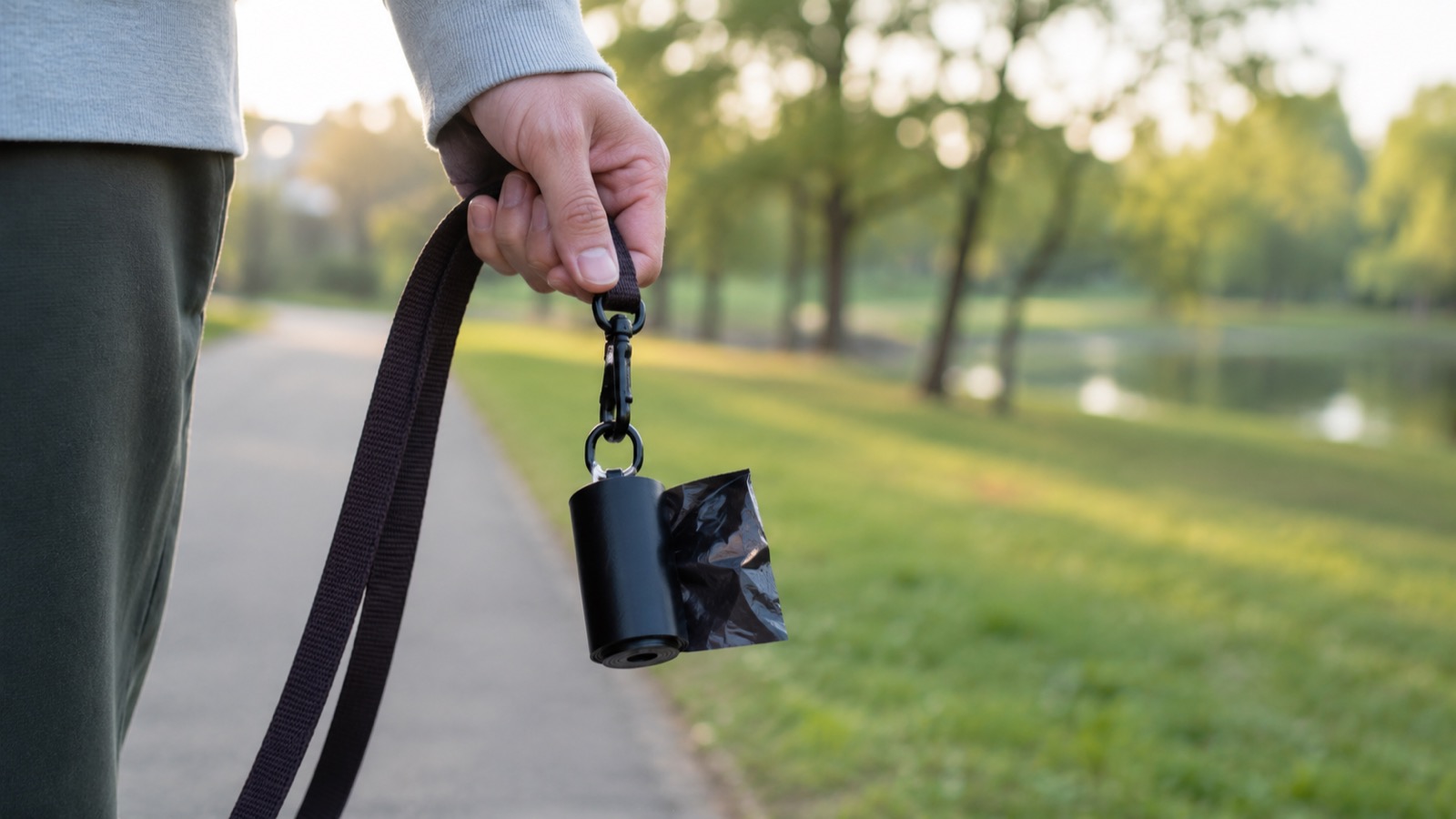
A scooper is only half the system. Thin, tearing bags leak and put your skin right back in contact with waste. Thick, leak-proof bags seal the pathogens away for good. Stocking up on heavy duty bags means every pickup ends with a clean, sealed handoff to the trash — no drips, no re-exposure.
Dog Waste and Water Runoff: The Hidden Pollution Problem
Waste left on the ground does not simply disappear. Rain washes bacteria and nutrients into storm drains, which often flow untreated into creeks, lakes, and bays. The U.S. Environmental Protection Agency lists pet waste as a recognized source of bacterial pollution in urban watersheds.
You can read the EPA’s own guidance on the issue in its pet-waste and water quality materials. The takeaway is simple: scooping is a small act with a big downstream effect.
Never compost it in the garden
Home compost piles do not get hot enough to kill roundworm eggs, so backyard composting of dog waste can seed your own soil with parasites. Bag it and trash it, or use a dedicated pet-waste digester designed for the job.
Building a Safe Cleanup Routine
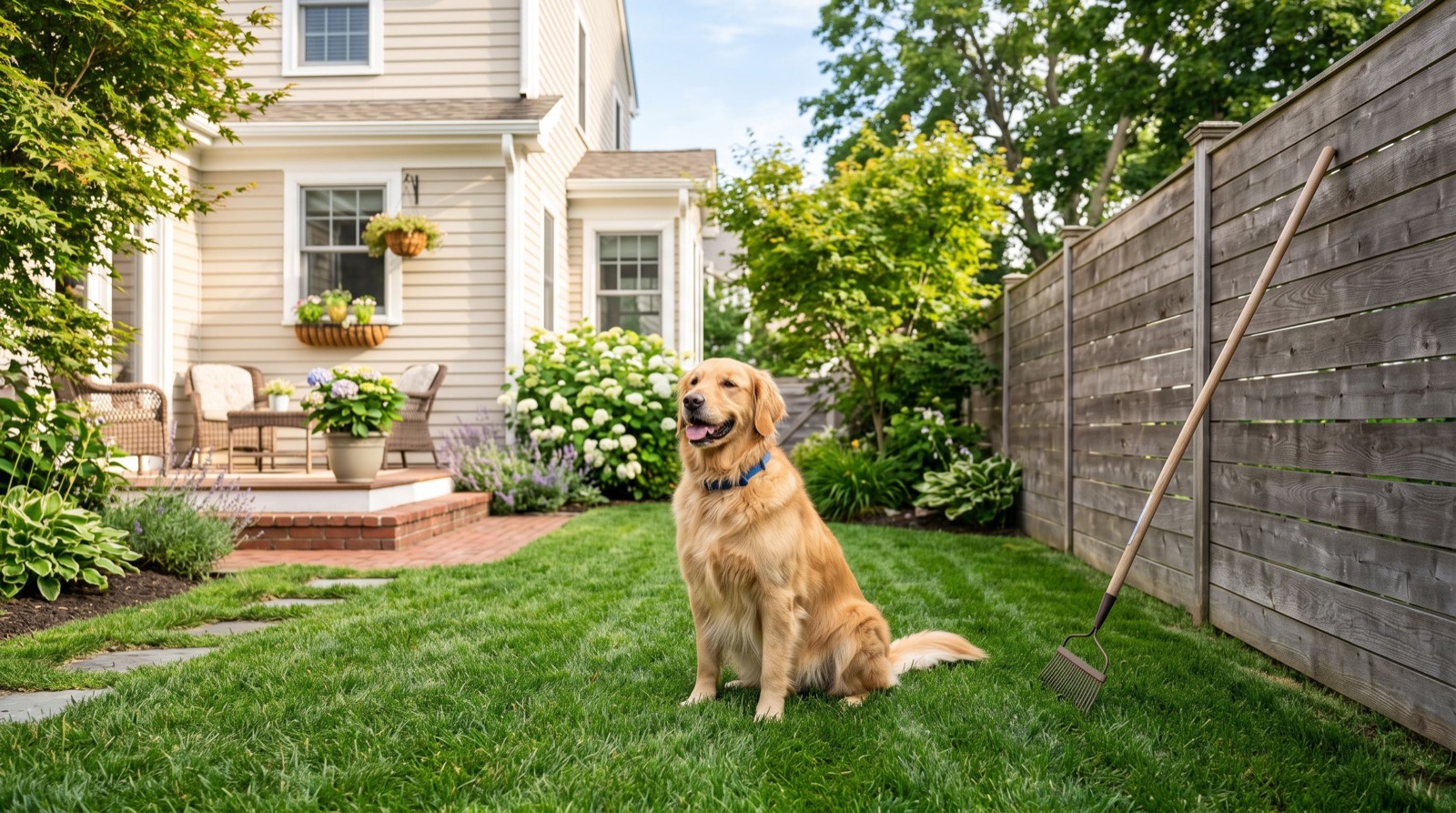
A hygiene routine only works if it is easy to repeat. Keep your gear staged where you will actually use it — by the back door, in the garage, or clipped to the leash caddy.
| Practice | Health Benefit | How Often |
|---|---|---|
| Same-day scooping | Removes eggs before they become infectious | Daily |
| Sealed heavy-duty bags | Prevents skin contact and leaks | Every pickup |
| Rinse and sanitize the scooper | Stops cross-contamination between uses | Weekly |
| Hand washing after cleanup | Blocks fecal-oral transmission | Every time |
| Vet deworming schedule | Reduces parasite load at the source | Per vet advice |
A practical tip from the field
Keep a small spray bottle of diluted, pet-safe disinfectant with your scooper. A quick spritz on the jaw and tray after each session takes ten seconds and stops the tool from becoming a germ carrier. It is the step almost everyone forgets — and the one that keeps your equipment from spreading what you just cleaned up.
If your yard is badly backed up, or you simply do not have time, an experienced local team can reset it to zero so your own daily routine is manageable from there.
Frequently Asked Questions
How often should I scoop my dog’s waste for health reasons?
Aim for the same day, and never let waste sit longer than 24 hours. Same-day pickup removes parasite eggs before most of them can become infectious, which is the core reason speed matters.
Can dog poop really make my kids sick?
Yes. Roundworm and hookworm from dog feces can infect humans, and young children are most at risk because they play close to the soil and touch their mouths. Prompt scooping and hand washing dramatically lower that risk.
Is it safe to flush dog waste or compost it?
Most municipalities advise against flushing, and home compost piles rarely get hot enough to kill parasite eggs. The safest routine is to seal waste in a heavy-duty bag and place it in the trash.
What is the best pooper scooper for hygiene?
Choose a long-handled model with a spring-loaded jaw or rake and rinsable, non-porous surfaces. That combination keeps your hands away from waste and lets you sanitize the tool between uses.
Conclusion: Small Tool, Big Protection
In 2026, treating dog waste as a health issue rather than a chore changes how you approach it. A quality pooper scooper, thick sealing bags, same-day pickup, and hand washing form a simple system that keeps parasites out of your soil, your water, and your children’s reach.
Set up your gear by the door, commit to the 24-hour rule, and make cleanup fast enough that you never skip it. Grab a dependable scooper and heavy-duty bags today — your family and your yard will be safer for it.