Frozen Storage in Saudi Arabia: The 2026 Cold-Chain Guide for Businesses
Frozen storage in Saudi Arabia has become a make-or-break factor for food brands, pharmacies, caterers and importers. One broken cold chain can spoil an entire shipment, trigger a regulatory fine and damage a reputation built over years. As the Kingdom’s population grows and online grocery orders climb through 2026, demand for reliable sub-zero warehousing keeps rising. This guide explains how modern frozen storage works, what it costs, and how to pick a provider that protects your product from the dock to the shelf.
The stakes are simple. Keep the temperature steady and your goods stay safe and sellable. Let it drift for even a few hours and you risk waste, recalls and lost customers. Getting the basics right is therefore a commercial decision, not just a technical one.
Why Frozen Storage in Saudi Arabia Matters More in 2026
The country’s climate is unforgiving. Summer temperatures across Riyadh, Jeddah and the Eastern Province regularly top 45°C, so any gap in refrigeration shows up fast. At the same time, Vision 2030 is pushing food security, local manufacturing and a booming logistics sector, all of which lean heavily on dependable cold rooms.
Frozen goods also carry strict rules. The Saudi Food and Drug Authority sets clear requirements for temperature control, traceability and hygiene across the food and pharmaceutical supply chain. Falling short is not an option for any serious operator.
The rise of e-grocery and dark stores
Rapid grocery apps now promise frozen items at the door within the hour. That speed only works when a deep-freeze buffer sits behind every delivery zone. Businesses that once kept a single chest freezer now need scalable capacity they can rent and expand on demand.
How Cold Storage Temperatures Are Classified
Not all cold storage is the same. Matching your product to the correct band avoids both spoilage and wasted energy. The table below summarises the common ranges used across the Kingdom.
| Storage type | Typical range | Best for | Shelf impact |
|---|---|---|---|
| Deep frozen | -25°C to -18°C | Meat, seafood, ice cream | Months to a year |
| Standard frozen | -18°C to -12°C | Vegetables, ready meals | Several months |
| Chilled | 0°C to 4°C | Dairy, fresh produce | Days to weeks |
| Ambient controlled | 15°C to 25°C | Dry goods, canned food | Months to years |
For many caterers and importers, a dedicated Frozen Storage facility removes the guesswork, because the temperature, humidity and monitoring are all handled by specialists rather than a back-room freezer.
What to Check Before You Rent Frozen Storage
Before you sign anything, run through a short due-diligence list. These points separate a safe facility from a risky one:
- Temperature logging: Continuous digital monitoring with alerts, not a clipboard checked twice a day.
- Backup power: Automatic generators that cut in within seconds of an outage.
- Zoning: Separate rooms so raw meat never shares air with ready-to-eat items.
- Hygiene certification: Documented cleaning schedules and pest control.
- Access control: Logged entry, so you always know who touched your stock.
- Scalability: The ability to add pallet space during peak seasons like Ramadan.
One hard-won tip from cold-chain managers: ask to see the facility’s temperature history for the past 30 days. A provider that shares the data without hesitation is usually the one worth trusting.
How Do You Protect the Cold Chain End to End?
Storage is only one link. The cold chain breaks most often during loading, transport and the final handover. Follow these steps to keep it intact:
- Pre-cool every vehicle before loading, never after.
- Load quickly and keep dock doors closed between movements.
- Use insulated blankets or reefer trucks for every leg of the journey.
- Record temperatures at each transfer point, not just at the start.
- Train staff to reject any delivery that arrives outside its target range.
Global food-safety bodies back this discipline. The World Health Organization stresses that unbroken temperature control is central to preventing foodborne illness, a reminder that cold-chain gaps carry health consequences, not just financial ones.
Technology that reduces risk
Modern facilities now pair IoT sensors with cloud dashboards, so a manager in Riyadh can watch a freezer in Dammam in real time. Alarms trigger on the first sign of a rising reading, long before product is at risk. This visibility is fast becoming the baseline expectation for 2026 contracts.
Beyond Frozen: Matching Storage to Every Product
Few businesses need only one temperature band. A food distributor might freeze seafood, chill dairy and keep packaging dry all at once. Smart operators therefore consolidate with a single provider that offers multiple climate zones under one roof.
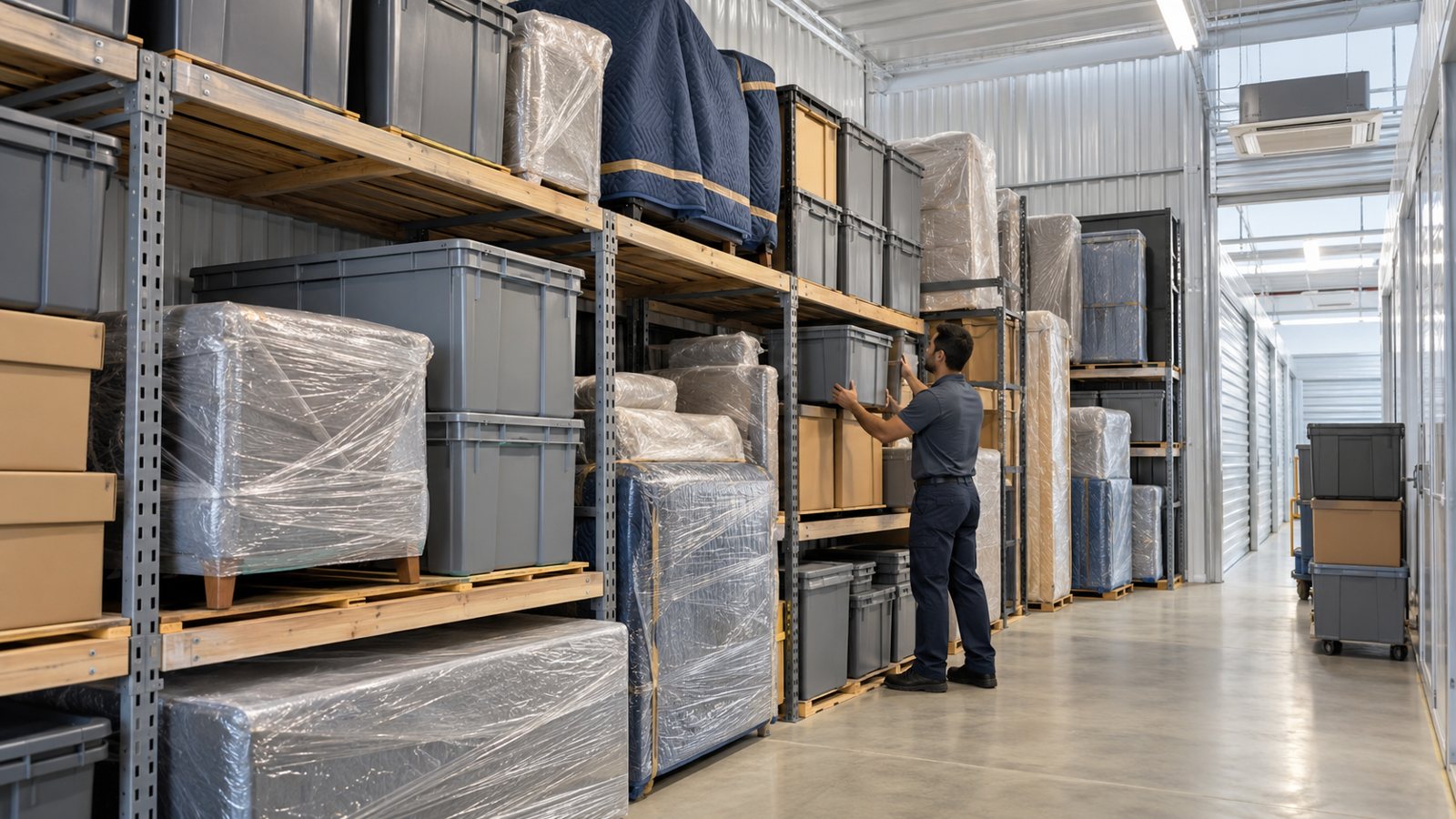
Industrial clients also face the opposite challenge with non-food items. Machinery components, for instance, need clean, dry, secure space rather than cold. Purpose-built Storage for Spare Parts keeps critical inventory organised, traceable and ready for fast dispatch when a production line needs a replacement.
Choosing a partner that handles both ends of the spectrum simplifies logistics and contracts. Working with quality service providers means you deal with one accountable team instead of juggling several vendors with different standards.
Frequently Asked Questions
What temperature is frozen storage in Saudi Arabia kept at?
Most frozen storage runs between -18°C and -25°C, with deep-freeze rooms at the colder end for meat, seafood and ice cream. The exact setting depends on the product and its required shelf life, and reputable facilities log the temperature continuously.
How much does frozen storage cost to rent?
Pricing usually depends on pallet space, duration and the temperature band you need. Deep-freeze capacity costs more than ambient space because it uses more energy. Many providers offer flexible monthly plans that scale up during peak seasons such as Ramadan.
Is backup power really necessary for frozen storage?
Yes. A short outage in Saudi summer heat can push a freezer above safe limits within hours. Automatic generators that start within seconds are essential, and any facility without them should be treated as high risk for perishable goods.
Can one facility handle frozen, chilled and dry goods together?
Good facilities offer separate zones for frozen, chilled and ambient storage under one roof, with strict separation to prevent cross-contamination. This lets a business consolidate mixed inventory with a single trusted provider rather than several vendors.
Final Thoughts
Reliable frozen storage in Saudi Arabia is built on steady temperatures, backup power, honest data and trained people. Audit those four pillars before you commit, insist on continuous monitoring, and choose a provider that can grow with your demand through 2026 and beyond. Do that, and your cold chain protects both your products and the customers who depend on them, while your business avoids the costly waste that catches less careful operators off guard.